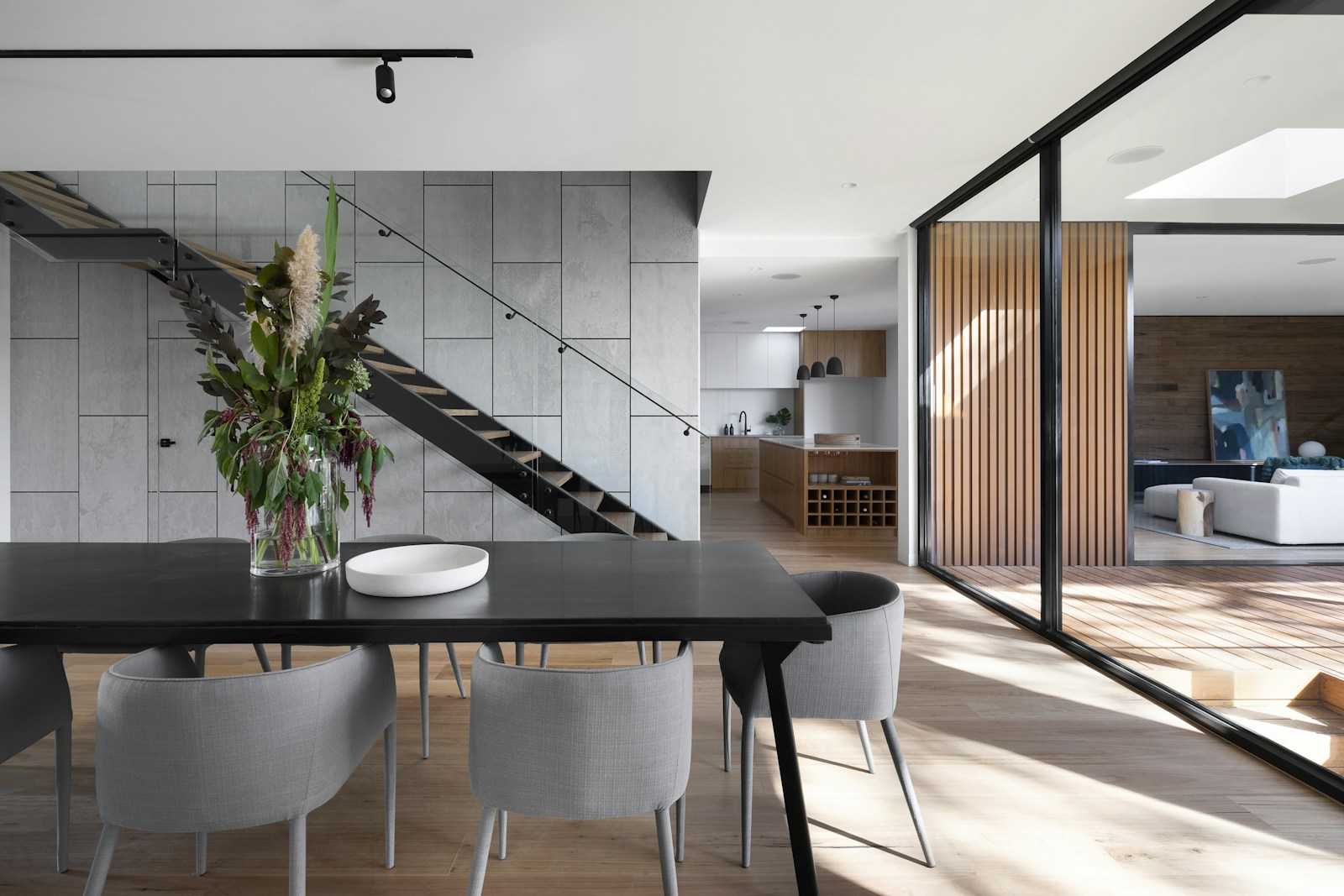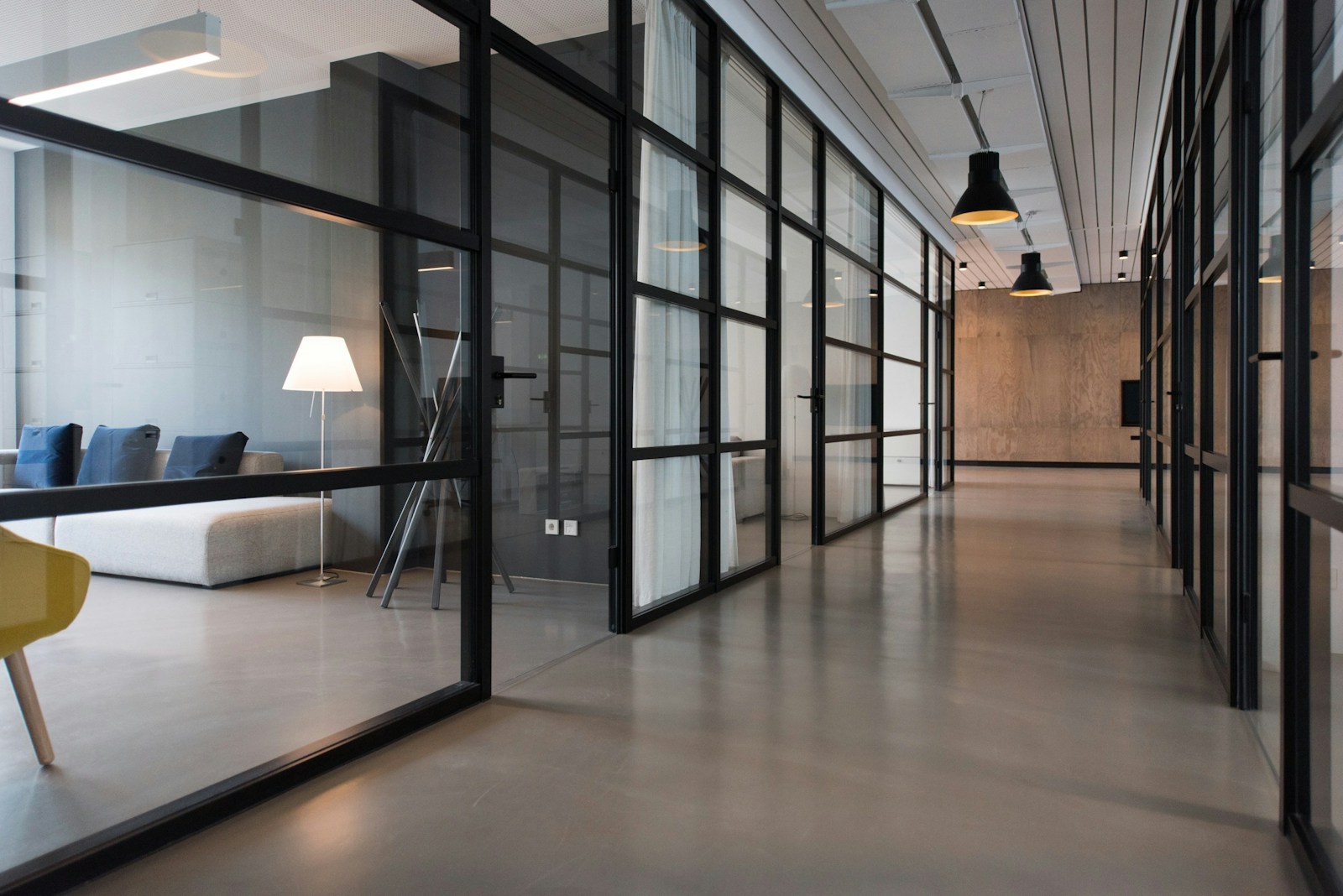
A finish does more than set the colour of an aluminium frame. It affects how the surface responds to sun, salt, pollution, handling and cleaning, and it changes how a frame sits beside stone, brick, timber or painted walls. A durable result begins with the exposure and maintenance plan, then moves to the colour choice.
Match the finish to the exposure
Record whether the project is inland, coastal, industrial, shaded or exposed to strong sun. Salt and pollutants can attack a finish when deposits are allowed to remain. A sheltered urban window and a sea-facing balcony may need different preparation, coating and cleaning guidance even when they use the same colour.
Understand the common options
- Powder coating: a coloured coating applied to prepared aluminium. The coating specification, pretreatment and curing quality matter as much as the colour code.
- Anodising: an electrochemical surface treatment that keeps an aluminium character. Tone variation between batches and profiles should be expected and approved.
- Dual-colour: different interior and exterior finishes. Confirm which face is specified for each opening and how corners, vents and accessories are treated.
Approve a sample in the right light
Ask to see a physical sample beside the actual facade materials. View it in daylight and, if the frame is inside a room, under the intended interior lighting. Gloss, texture and metallic effects can change the perceived depth of a colour. A sample also exposes the edge and gasket relationship that a small swatch cannot show.
Plan cleaning before handover
Provide a simple care note: remove construction dust promptly, use clean water and a mild compatible cleaner, rinse residue and avoid abrasive pads or unapproved solvents. On coastal or polluted elevations, agree a cleaning interval based on exposure. The installer should also remove labels and sealant residue without damaging the surface.
Check the details people touch
Handles, locks, screens and thresholds are part of the visual finish. Confirm that their colour and gloss level are compatible, and that replacement parts will remain available. Touch-up paint is not a substitute for correcting a damaged or contaminated coating; record damage at handover while access is still easy.
Questions to settle before ordering
Does a darker colour always fade faster?
Colour stability depends on the coating system, pigment, preparation and exposure. Ask for the manufacturer’s durability guidance for the specified finish rather than relying on colour alone.
How should batch variation be handled?
Approve a control sample, keep the finish code with the opening schedule and avoid mixing unapproved batches on one elevation. If a replacement is needed later, retain the code and care information.
Review the available systems with the project exposure, then send the finish schedule through contact for coordination.
Keep the care record with the project
Store the approved sample, finish code, cleaning instructions and warranty contact with the handover documents. Future owners and maintenance teams should not have to guess which cleaner or touch-up system is compatible with the surface. Good records protect the finish long after the installation visit.
That small record also helps a future repair use the same compatible process instead of an untested shortcut.
Prepared by the joycham Windows + Doors editorial team. Specifications and performance outcomes vary by opening, glass, hardware and installation; confirm project-specific values before ordering.